
"Garth Town"
8570 article(s) found
Washed Tibica Coffee beans in Yonggas Town, La Paz County, Bolivia _ Bolivian Coffee Flavor
Professional coffee knowledge exchange more information about coffee beans please follow Coffee Workshop (Wechat official account cafe_style) Bolivia is a landlocked country in South America and a member of the Union of South American Nations. Neighboring countries include Brazil, Peru, Chile, Argentina and Paraguay. The legal capital is Sucre, but the actual seat of government is La Paz, which is above sea level.

Does Bolivian Yongga Karana taste better than coffee in the producing area? what is the Sun Plan for tomorrow?
Professional coffee knowledge exchange more coffee bean information please follow the coffee workshop (Wechat official account cafe_style) Bolivia Yonggas Karanabi tomorrow Sun Project Copabana Town Julio small Farmer batch washing (Bolivia Sol de Manana Yongas Caranavi Copabana-Julio) production area: Yongga Karanabi Town roasting degree:

A brief introduction to the flavor and taste of Xuemai Manor in Yongas, northeast of La Paz, Bolivia.
The following are the basic information and cup test taste of this batch of champion beans: the following materials are the Osher Cup test report and the official website of CoE: country: Bolivia, Bolivia producing area: Yungas of La Paz Administrative Town: Yanacahi Award winning Manor: Agrotakesi SA Manor owner: Mauricio Ramiro Diez de Medina Rank: No.1 (2009 CoE Champion)

High-quality Bolivian coffee producing area Yongas, northeast of La Paz.
Bolivia's high-quality estates, very high altitude, perennial low temperature environment, so that coffee fruit growth is slow, tight enough, aroma is also charming, floral aroma is obvious, such as careful handling, cherries with the same maturity, often have a clean and meticulous high-end taste, this elegant vanilla and honey aromas are very attractive, this champion bean has a variety of floral aromas, vanilla and sweet very long-lasting. To

Introduction of Yongas Snow vein Manor in the northeast of La Paz
The goal of planting coffee in the whole Takesi manor is 200ha, but only 13ha is planted and harvested very little Typica species, and the annual yield is only 120bags. This is not only fine agriculture, but also a farming model that respects nature. Takesi is the name of the local aborigines, the place name and the snow water from the mountains, also known as Takesi. After the publication of the CoE final in 2009, Takesi is no longer without.

Boutique Coffee basic knowledge Madagascar Coffee
The Malagasy government plans to develop about 2000 hectares of Robbite coffee plantations and about 5000 hectares of Arabica coffee plantations. Therefore, the development of the coffee industry on the island depends on its potential in Arabian coffee, and once successfully developed, this coffee is expected to become the best. The origin of Madagascar coffee: Madagascar (Madagascar) is basically Robbins.

Boutique coffee beans knowledge coffee producing area Madagascar
Madagascar (Madagascar) is basically a producer of Robbins Coffee, but plans to increase the cultivation of Arabica beans. Since 1989, the coffee industry on the island has been privatized and many regulations have been lifted, with a total output of about 1 million bags a year. As Malagasy people like to drink coffee, the domestic consumption of coffee is very high. The country's Robbins Teka.
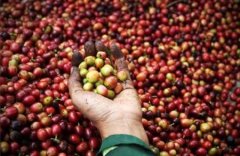
Introduction to Malagasy Coffee Flavor Malagasy Coffee characteristics
The Malagasy government plans to develop about 2000 hectares of Robart coffee plantations and about 5000 hectares of Arabica coffee plantations. Therefore, the development of the coffee industry on the island depends on its potential in Arabian coffee, and once successfully developed, this coffee is expected to become the best. The origin of Madagascar coffee: Madagascar (Madagascar) is basically

A coffee shop in a casino in Las Vegas
It may seem unthinkable that the cafes of Las Vegas casinos serve traditional Chinese food, including Gulaorou (Sweet and Sour Pork with Fat), peppery beef and broccoli and wonton soup, but it is this unusual thing, because the increase in Chinese customers is really happening. According to the website of Las Vegas Weekly (Lasveg
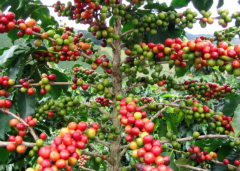
Coffee Industry Coffee Information in Madagascar
Madagascar, an African island country in the southwestern Indian Ocean, is the fourth largest island in the world. The peculiar baobab here has long been known to the world. Because Madagascar is made up entirely of volcanic rocks, it has also become a paradise for coffee trees. Since 1970, the planting area of Malagasy coffee has been maintained at about 200000 hectares, with an average yield of 80, 000 tons.

Bolivian coffee beans originated in the Yongas region northeast of La Paz.
Takesi Manor, drinking water and coffee after harvest treatment, using alpine melting cold snow landscape, so we give her a nickname: Takesi Snow vein Manor; in addition to low temperature, pollution-free environment, fertile and well-drained volcanic soil, is also an element of coffee flavor, although the owner of Agrotakesi SA is rich, but deep respect for nature and the way to get along, but
Coffee acreage in Madagascar continues to decline
Due to the continuous decline in coffee prices in the international market, the planting area of Malagasy coffee continues to decrease. The latest statistics from the Malaysian Ministry of Agriculture show that the planting area of Malagasy coffee is 190000 hectares, nearly 30,000 hectares less than 20 years ago. At present, coffee is still an important export product for horses. Malaysia produces an average of 67000 tons of coffee a year, with nearly 40000 tons for export. An important export of Malaysian coffee

Coffee flavors from different coffee producing areas around the world coffee producing areas in Madagascar
The Malagasy government plans to develop about 2000 hectares of Robart coffee plantations and about 5000 hectares of Arabica coffee plantations. Therefore, the development of the coffee industry on the island depends on its potential in Arabian coffee, and once successfully developed, this coffee is expected to become the best. The origin of Madagascar coffee: Madagascar (Madagascar) is basically

The coffee producing area of Madagascar.
The Malagasy government plans to develop about 2000 hectares of Robbite coffee plantations and about 5000 hectares of Arabica coffee plantations. Therefore, the development of the coffee industry on the island depends on its potential in Arabian coffee, and once successfully developed, this coffee is expected to become the best. The origin of Madagascar coffee: Madagascar (Madagascar) is basically Robbins.
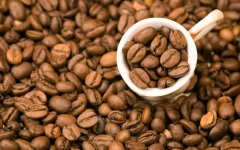
The characteristics of Malagasy coffee
The Malagasy government plans to develop about 2000 hectares of Robbite coffee plantations and about 5000 hectares of Arabica coffee plantations. Therefore, the development of the coffee industry on the island depends on its potential in Arabian coffee, and once successfully developed, this coffee is expected to become the best. The origin of Madagascar coffee: Madagascar (Madagascar) is basically Robbins.

Madagascar Coffee This coffee promises to be the best
Since 1989, the island's coffee industry has been privatized and deregulated, with total coffee production reaching around 1 million bags per year. Domestic consumption of coffee is high because Malagasy people like to drink coffee. The country's Roscoff coffee is of excellent quality and France is its main export market.
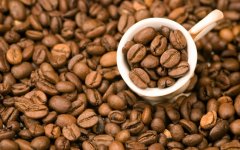
Boutique coffee bean producing countries introduce Malagasy coffee
The Malagasy government plans to develop about 2000 hectares of Robbite coffee plantations and about 5000 hectares of Arabica coffee plantations. Therefore, the development of the coffee industry on the island depends on its potential in Arabian coffee, and once successfully developed, this coffee is expected to become the best. The origin of Madagascar coffee: Madagascar (Madagascar) is basically Robbins.

The country that produces Robbins' coffee in Madagascar.
Madagascar (Madagascar) is basically a producer of Robbins Coffee, but plans to increase the cultivation of Arabica beans. Since 1989, the coffee industry on the island has been privatized and many regulations have been lifted, with a total output of about 1 million bags a year. As Malagasy people like to drink coffee, the domestic consumption of coffee is very high. The country's Robbins Teka.
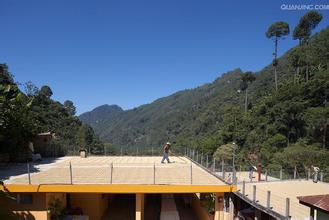
Malagasy coffee, the specialty of Arabica beans
Madagascar (Madagascar) is basically a producer of Robbins coffee, but plans to increase the cultivation of Arabica beans. Since 1989, the coffee industry on the island has been privatized and many regulations have been lifted, with a total output of about 1 million bags a year. As Malagasy people like to drink coffee, the domestic consumption of coffee is very high. The country
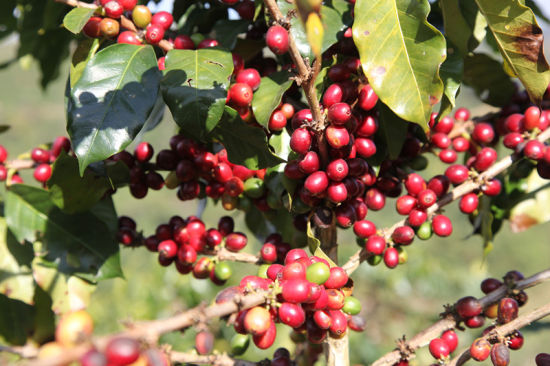
Cultivation of Cabernet Coffee and Arabica beans in Madagascar (Madagascar)
Madagascar (Madagascar) is basically a producer of Robbins coffee, but plans to increase the cultivation of Arabica beans. Since 1989, the coffee industry on the island has been privatized and many regulations have been lifted, with a total output of about 1 million bags a year. As Malagasy people like to drink coffee, the domestic consumption of coffee is very high. The country